Buyer to Super Fan: Cultivating a Fan Community
Oct 30, 2025
Have you noticed a rise in the relevance of “fan capitalism” lately?
Welcome to 2025, the era of "fandom capital.” This phenomenon, which used to be considered exclusive to specific niches or age groups, is now becoming mainstream across every industry that seeks public attention and consumer engagement.
As fan influence continues to grow in scope, more businesses have been shifting their strategies to focusing on niche markets and dedicated super fans, instead of from aiming for mass appeal.
This strategy isn’t just about acquiring customers—it's about turning them into true regulars, or super fans. Take McDonald’s recent strategy targeting music fans, for example. By releasing specific meals aimed at an artist or band’s fans, they have attracted thousands of customers who were drawn in through the BTS or SZA meals alone. That is the power of fandom communities.
Why Communities Are Driving Sales in 2025
Let’s look at the numbers. On social media platforms like YouTube and Instagram, the rise in niche but powerful “1% fandoms” is changing how consumers behave.
Consider the success of Roblox, a game run entirely on user-generated content. Players of the game exclusively create and play games developed by other players, leading to the birth of an incredibly dedicated fan community with extremely wide appeal. The community itself is self-sustaining and instrumental to the company’s success.
So, why should we care so much about community marketing right now? In this fast-paced age of social media, trends have become increasingly fragmented and fleeting. They’re no longer reliable for generating interest and engagement that lasts. Today’s market cares less about long-term mass popularity, and more about short, intense buzz. So, if you have loyal fans (even just a small group), you can secure stable revenue through them.
Three Key Reasons Why Fandom Communities Are Thriving
1) Millennials and Gen Z’s Desire for Belonging
In 2025, it's considered far more valuable to cultivate a genuine, loyal, and engaged community than to simply gather a large number of followers.
Millennials and Gen Z are looking for emotional connections with brands, not just products. Since COVID-19 popularized a culture of physical distance, there’s been a growing desire for real interaction and belonging, even if it’s happening online.
2) Niche Targeting in a Personalized Era
Shared consciousness refers to when a community feels connected by their shared love for a brand, and it gives them a sense of group identity. This creates a deeper sense of solidarity and meaning.
Today’s consumers prioritize their personal tastes over mainstream trends. Even small brands can build a loyal fanbase through their unique brand personality in order to create a steady source of revenue.
3) Authenticity Matters More in the Age of AI
Content created by real staff is one of the most effective ways to build brand awareness, gain trust, and connect with audiences.
In a world flooded with AI-generated content, genuine human interaction stands out from the crowd. Community spaces have become the last bastion of authenticity for meaningful brand-customer engagement.
Fun Fact!
Did you know that Glossier, the $1.2 billion beauty brand, evolved from the beauty blog Into the Gloss? Founder Emily Weiss has said that 70% of their online traffic and sales comes from peer-to-peer recommendations. Why? Because word-of-mouth from real fans is more powerful than any ad.
Case Studies: What Successful Communities Get Right
Notion: Promoting Super Fans to Ambassadors
The popular productivity platform Notion, which now boasts AI tools and a partnership with Google, fostered most of its growth by actively engaging with its fan community. When the folks at Notion noticed consumers making and sharing their own templates for the platform, Notion reached out to some of the top creators and offered to make them “brand ambassadors,” effectively utilizing their fans for influencer marketing.
Fans were happy as well, because they felt seen and also saw an opportunity to receive special perks from the company by further engaging with their product.
Key Strategies:
Run a community of passionate creators
Seamlessly connect functionality with community
Utilize special perks for particularly active consumers
ColourPop: Leveraging UGC
The beauty brand ColourPop is well known among its fans for offering unique, high-quality products for a low cost, and it has allowed them to partner with lots of brands that attract additional dedicated fan communities.
They are yet another brand that has found growth and success by prioritizing User Generated Content (UGC). They engage heavily with the people posting about their products online and reward influencers who honestly review their make-up by responding and reposting their content.
A Step-by-Step Guide for Small Business Community Building
Step 1: Choose the Right Platform
Youtube – Best for Hosting Live Events
Strengths: Low barrier to entry, includes options for earning ad revenue, community polling, and paid memberships for fans who want access to exclusive content
Best for: Behind-the-scenes and vlogging content
Tips: Keep conversations alive by regularly hosting live events and posting exclusive behind-the-scenes content
Instagram and TikTok – A Must for the Modern Generation
Strengths: Young and hip user base, high potential for viral content, built-in shopping platforms
Best for: Trending, casual, and humorous content targeting younger consumers
Tip: Utilize the Instagram and TikTok Shop features to allow customers to buy your product directly through the app.
Discord – Foster Friendships Within Your Community
Strengths: Ideal for inter-fan communication, directly messages community members with announcements, great for soliciting feedback from loyal consumers
Best for: Direct communication from and among fans
Tip: Consider investing in hiring a part-time moderator for your Discord to community to monitor what its members are saying to ensure that no participants are misrepresenting your brand by posting harmful content.
Step 2: Community Planning (First 30 Days)
Week 1: Prepare Your Brand Story
Why did you start this business in the first place? Prepare to share your honest motivations with the community. Start by posting personal stories from your brand’s founder and determine the philosophy behind your product or service.
Week 2: Create Core Content
Prepare three behind-the-scenes stories to share with your audience over social media. You should also gather about five customer reviews or success stories to share on your platforms in order to engage with your audience on a personal level. It would also be beneficial to create videos or compilations answering FAQs or offering useful tips related to using your product or service.
Weeks 3–4: Launch and Secure Seed Members
Invite your loyal customers to participate in online fan communities via email listings, in-person outreach (i.e. flyers or business cards), and social media postings. Utilize your personal networks in order to reach a wider range of people. Finally, use social media to promote your fan community to the general public.
Step 3: Encourage Participation
Use your platform to give members of your fan community ways to stay involved. For example, host events both online and in-person. Here are some potential ideas:
Photo Challenges: Encourage customers to post photos of them enjoying your product as they go about their everyday life.
Sharing their Stories: Ask customers to share their honest reviews and experiences with your business.
Product Polls: Have loyal consumers help you choose new seasonal items and products.
Tips for Boosting User-Generated Content (UGC)
Offer to display customer photos in-store or to re-post them on social media.
Offer extra perks to customers who post detailed reviews.
Turn customer ideas into real menu items and engage with user suggestions.
Step 4: Long-Term Strategies
If you have a small budget allotted for marketing (under $100 a month), consider using your personal account as the brand owner for authentic marketing. Strengthen your 1-on-1 interactions with customers by including handwritten notes with your products and hosting small, personalized events.
For brands with mid-level budgets (between $100 and $500 per month), we suggest hiring a part-time dedicated community manager. Host events regularly and produce branded merchandise. Collaborate with micro-influencers who genuinely enjoy your product for more authentic outreach.
Solo owners of cafés and restaurants should connect their personal identity to the business’s identity. Utilize your personality to tell your brand’s story in a compelling, engaging way. Share content like “morning prep routines” or “ingredient sourcing” videos to build familiarity with your audience. Check out some more examples of using social media to craft an authentic identity that resonates with fans.
Small teams (of between 3 and 5 employees) should divide up their roles based on respective strengths. Share behind-the-scenes content from the entire team, and highlight individual staff members’ expertise. Maybe someone is especially skilled at latte art, for example, or at designing the chalkboard signs that you place outside your restaurant.
Ease the Burden with Tidy-B
The most important part of community management is consistent brand identity. If your tone and style keep changing, fans will get confused and lose trust in your business.
Tidy-B’s AI Brand Strategy Questionnaire helps you define your brand’s unique voice and message. With a solid brand guideline, you can maintain consistency across all of your community content, from Instagram posts to in-person event banners.
If you're managing multiple platforms like Instagram, YouTube, and Discord, Tidy-B can help you tailor your communication for each while keeping brand unity intact. In just 5 minutes, you can build a foundational system for your community-driven brand.
Super Fans Are the Future
Community marketing is more than just a promotional channel. It’s a strategy to deepen customer relationships and boost loyalty. With real-world examples and tech-driven approaches, it's clear this is the way forward.
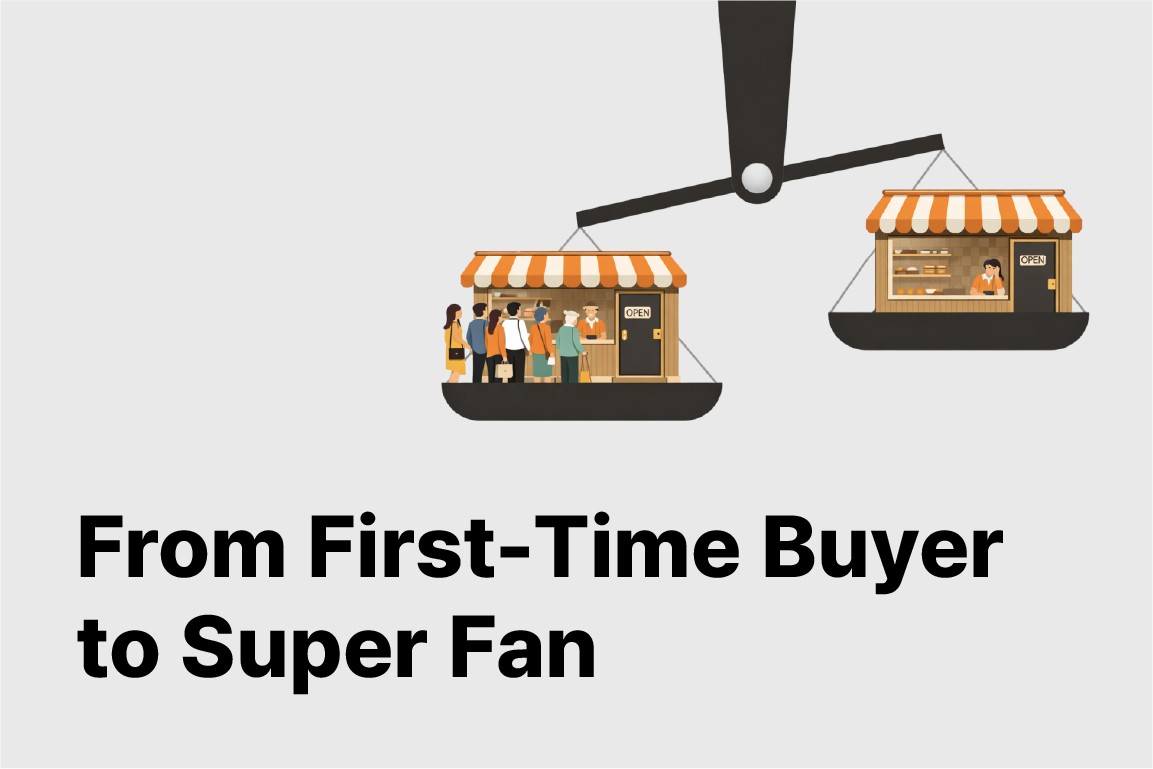
2025 is the age of "fandom capital." Having 100 die-hard fans brings more value than a thousand one-time customers. While fandoms may be smaller customer bases, they’re highly loyal, making them a stable source of revenue.
Communities aren’t just about buying and selling. They’re where people who truly love your brand come together to create something even greater.
Your business has a unique story. Share it!
If you build a community around that story, you’ll discover a community not just of loyal customers, but of true likeminded fans.