Five Rebranding Failures to Learn From
Oct 21, 2025
Learn branding success strategies for small businesses through global rebranding failures from major brands like Coca-Cola, Tropicana, and GAP. Here is a complete guide to safely rebranding, including an eight-step checklist and practical tips!
Have you ever thought about refreshing your shop’s image, but hesitated, wondering if changing something might scare away your current customers?
You're not alone. Even global giants have tasted the bitter failure of a rebranding effort gone wrong. Companies like Coca-Cola, Tropicana, and GAP saw sharp drops in both their sales and their customer loyalty due to a single wrong move.
“Wait, even big companies fail at this?” I hear you asking.
Yes! That’s why it’s even more important for small businesses to be extra careful.
Today, we’ll learn from 5 major global rebranding failures and break down exactly what to avoid as small business owners. Plus, you’ll get a practical checklist to make sure your rebrand is successful!
Five Branding Lessons from Global Rebranding Fails
1) Coca-Cola’s Painful Misstep: Not Understanding the Customer
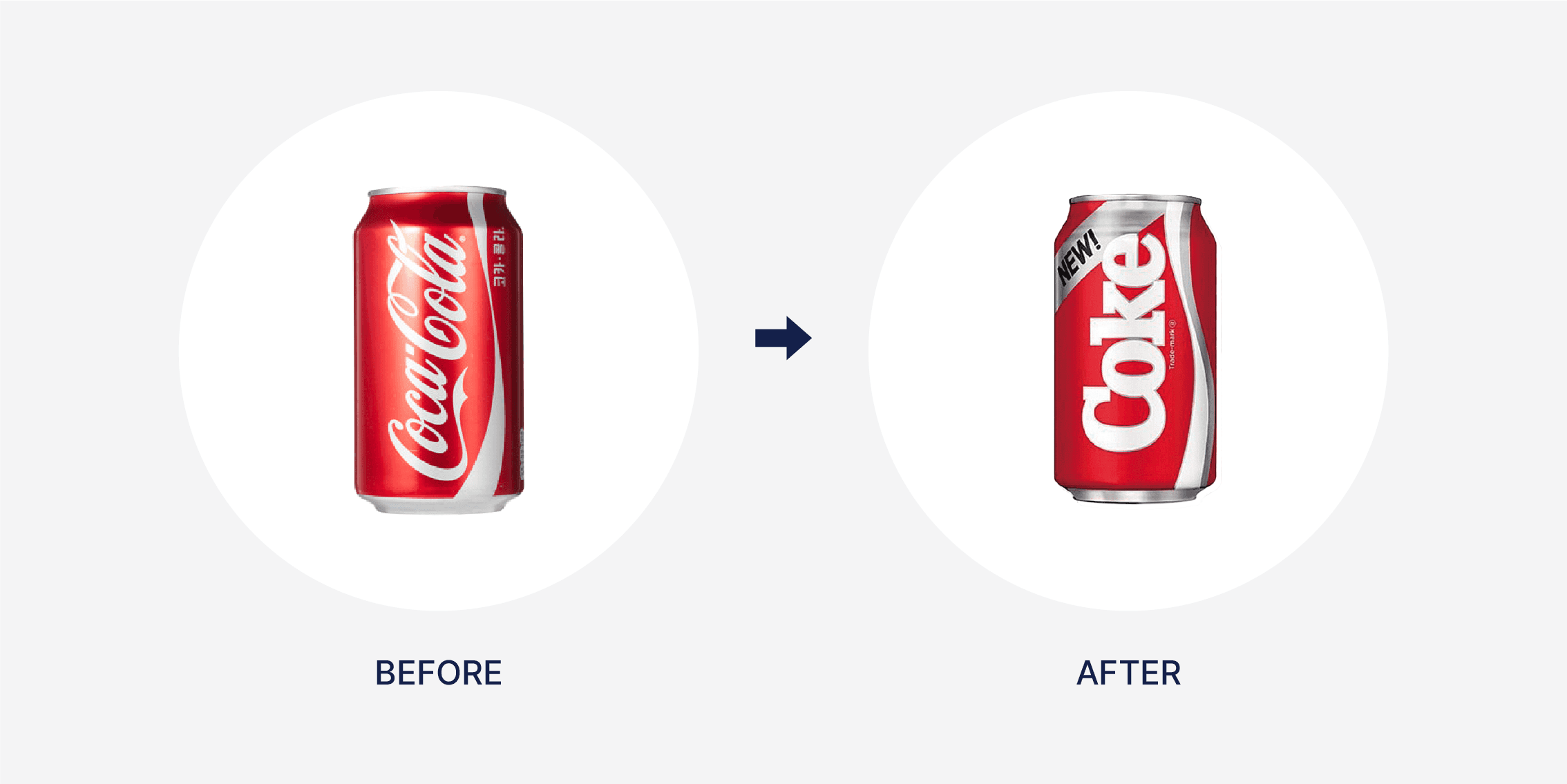
Ever heard of the "New Coke" disaster from 1985?
At the time, Coca-Cola was worried about losing ground to Pepsi, so they launched a completely new recipe for their soda, along with a new branding strategy. So, how did consumers react?
“This isn’t the same Coke we loved!” they cried.
“New Coke” was pulled from the market in just 3 months. Coca-Cola had to quickly revert back to their original formula, and TIME Magazine named New Coke one of their “50 Worst Inventions.”
So, what can we takeaway from this misstep in Coca-Cola’s history? The brand belongs to the consumer, not the company.
2) Tropicana’s Icon Disaster
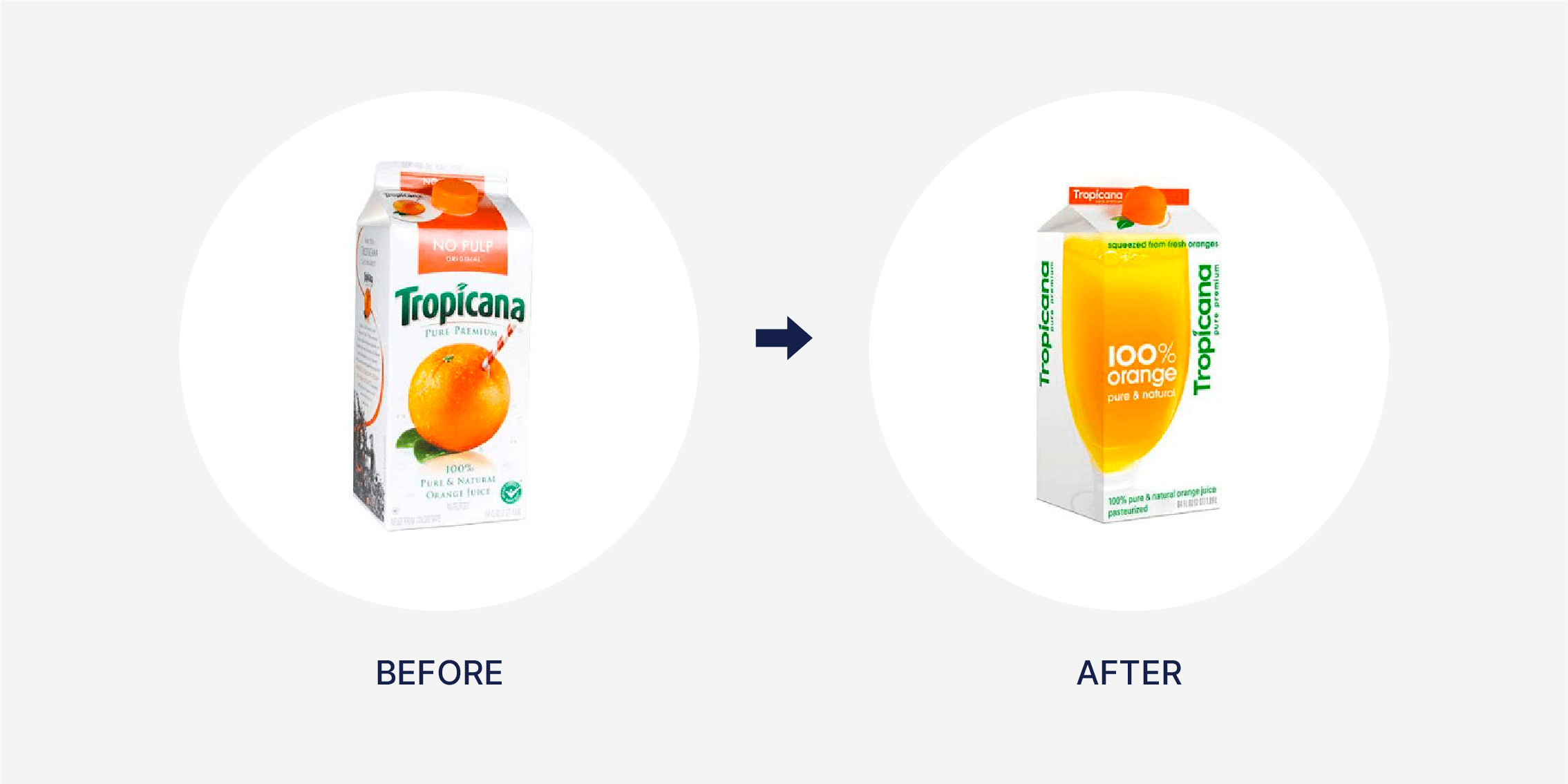
In 2009, the orange juice brand Tropicana removed its iconic image of an orange with a straw in it, opting instead for a minimal design.
However, after the sudden departure from their old packaging, loyal consumers didn’t even recognize the new juice cartons on the shelves. Tropicana’s sales dropped by 20% in just two months, and the old packaging was quickly restored.
So, why were customers so angry with this redesign?
That iconic image of the orange with a straw in it wasn’t just any old stock photo. It was a unique, recognizable icon that symbolized freshness. It represented the very essence of Tropicana’s brand. Without it, Tropicana became "just another juice” on the shelves.
3) GAP’s Six-Day Logo Debacle
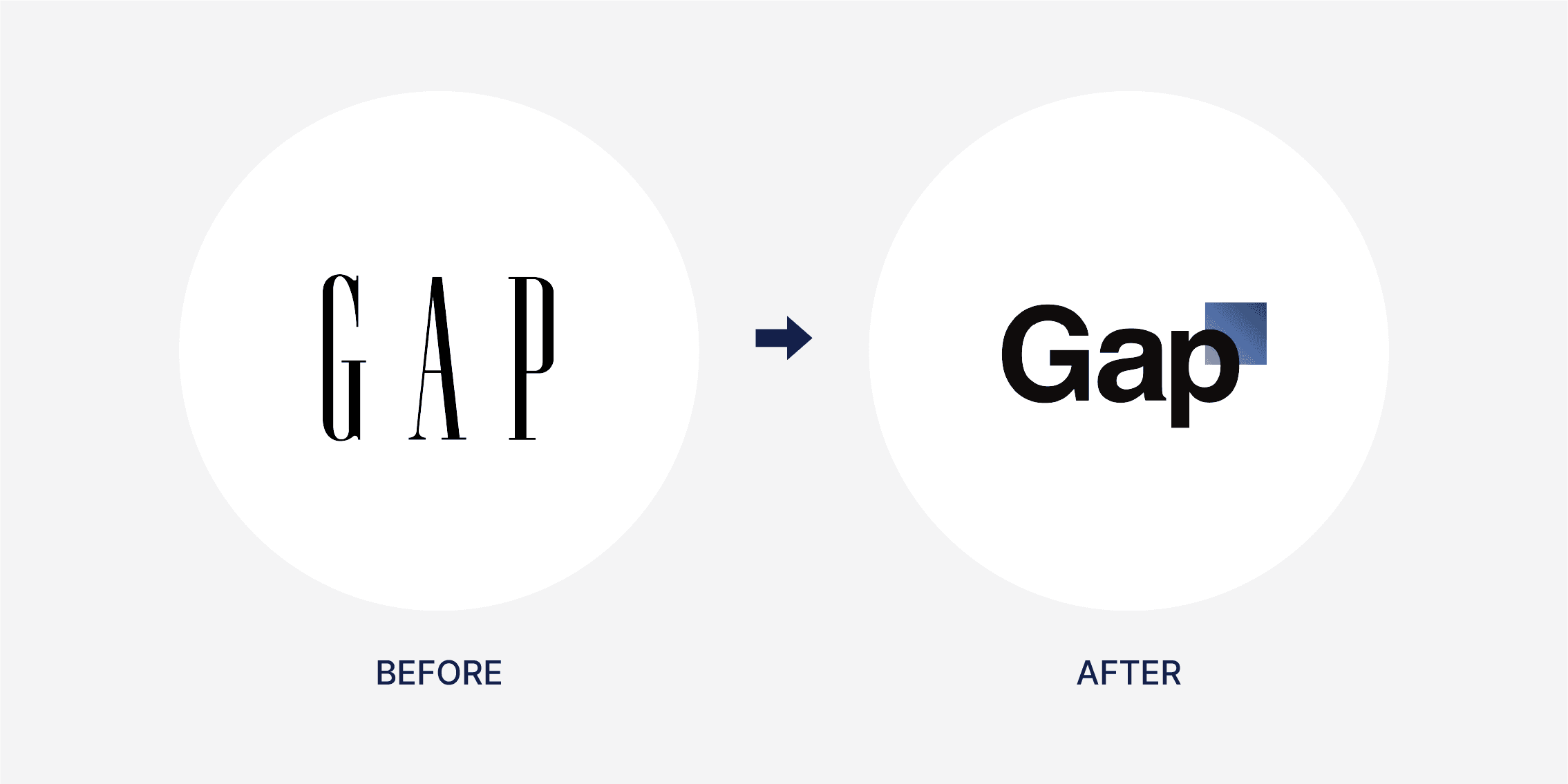
In 2010, the clothing brand GAP suddenly changed its 20-year-old navy blue box logo to a black-and-white logo featuring the commonly-used Helvetica font.
Customers immediately reacted, calling the new logo cheap and questioning how much time had even been put into the design. Social media exploded with fans demanding the old logo back. The term "Gapgate" was born, and in the end, the backlash was so intense that GAP surrendered and reverted back to their original logo after just 6 days.
4) Netflix’s One-Sided Communication Fail
In 2011, Netflix announced without any prior warning that it would be splitting its DVD rental service into a separate brand called "Qwikster."
Loyal users reacted with shock, lamenting that the change had been sprung on them with no explanation. After facing massive backlash, Netflix’s CEO publicly apologized and the plan was scrapped. This is a classic case of a failure caused by a top-down decision made without any dialogue with consumers.
5) Royal Mail’s Rebrand Betrayed Their Brand’s Identity
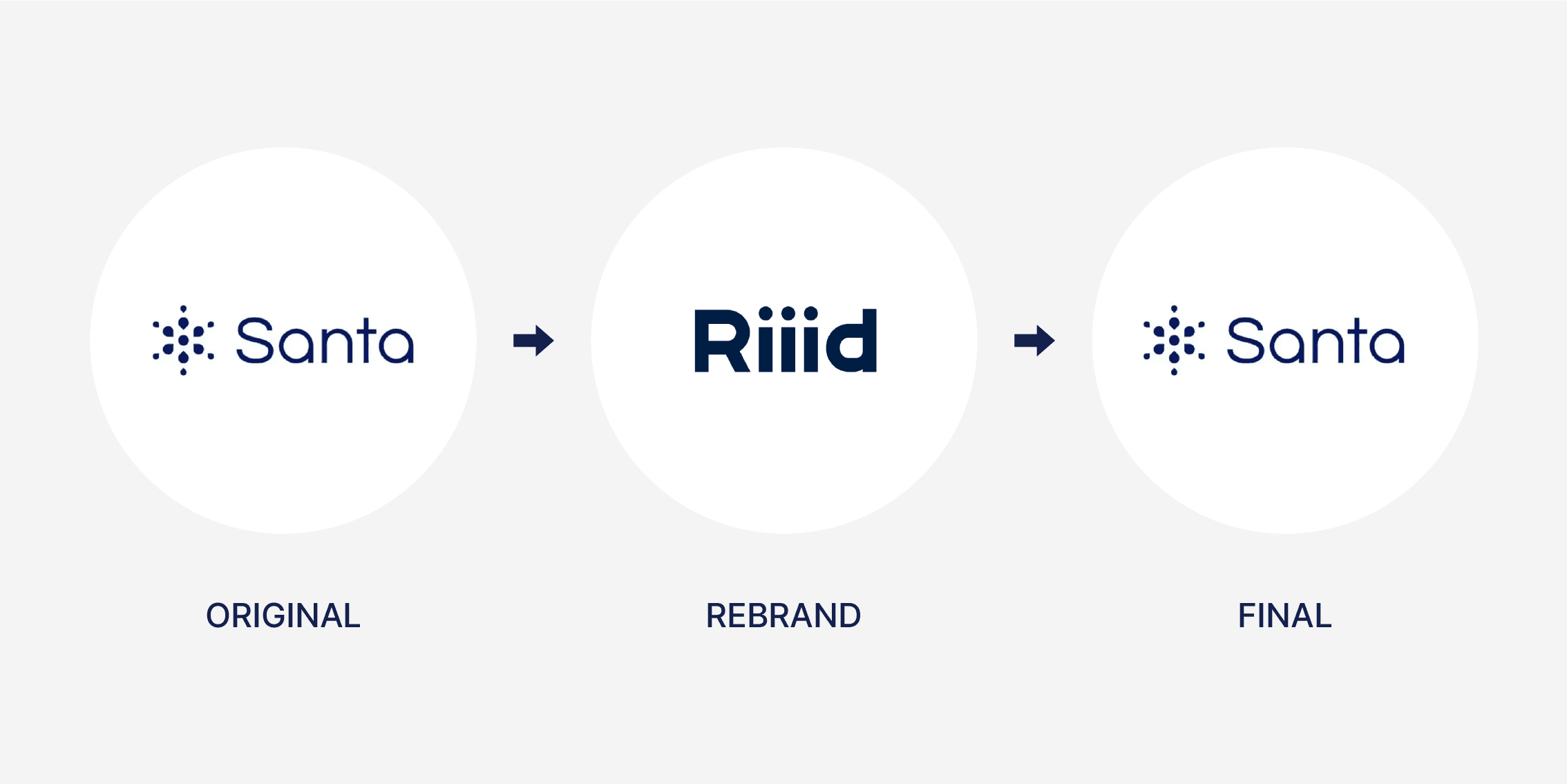
In 2001, the rather plainly-named British Post Office Group decided it was time to modernize their image and changed their name to “Consignia.” What the folks behind this service failed to consider, though, was that having “post office” in the name was essential for this brand, since they provided such an essential service. Despite certainly sounding more modern, “Consignia” bore no relation to the post office or mail, and deeply confused loyal patrons. After a year, in an attempt to rebuild some of their broken trust with consumers, the company again rebranded as the Royal Mail Group.
Why?
The new name was unfamiliar and confusing for loyal users. This change led to a loss of brand recognition and trust.
For some examples of renaming strategies executed properly, check out Dunkin’s success story and learn more about the power of a good brand name.
Analyzing The Patterns Behind These 5 Failures
Rebranding Issue | Example |
|---|---|
Not understanding customers | Failing to grasp loyal customers’ sentiments (Coca-Cola) |
Damaging a core asset | Removing a key brand symbol (Tropicana) |
Too drastic a change | Changing too much at once (GAP) |
Communication failure | No dialogue with customers (Netflix) |
Brand inconsistency | Confusing patrons with a new identity that breaks continuity (Royal Mail) |
So, Are You Safe? Five Rebranding Traps for Small Businesses to Avoid
You might be thinking, “This is only an issue for big companies with massive customer bases. A branding change won’t have that kind of effect on my small business, right?”
Don’t be so sure! When it comes to rebranding, small businesses often need to be even more careful than major corporations. Why?
Because losing even a few regulars to a rebrand-gone-wrong can be a major hit for small businesses.
Rebranding Self-Checklist for Your Business
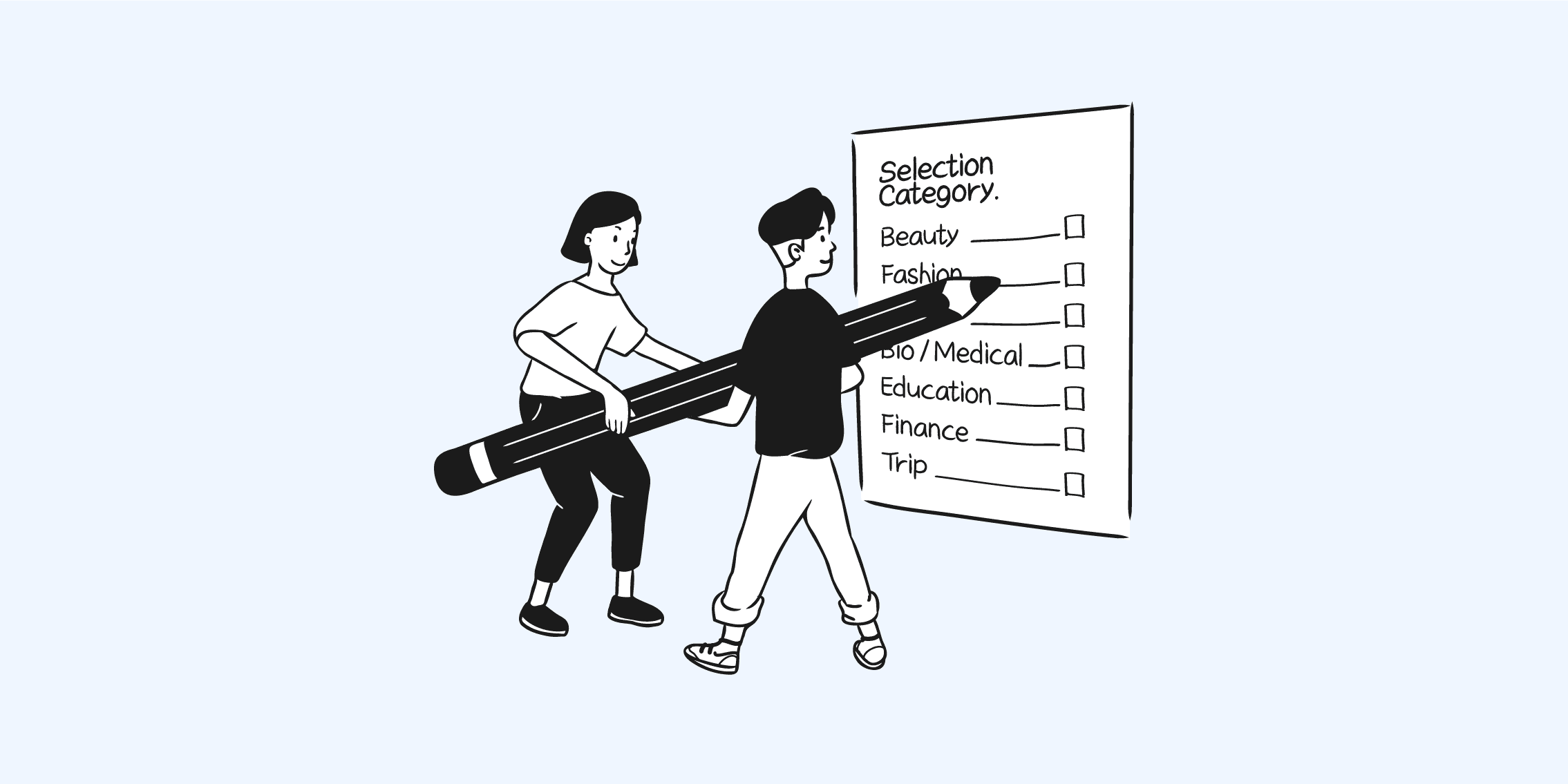
Before initiating a rebrand, ask yourself: Are you…
…ignoring your customers? (Rebranding without consulting loyal regulars)
…uprooting the cornerstone of your brand? (Ditching familiar names, logos, or mascots completely)
…changing too much at once? (Pulling a full 180° with your store interior, packaging, or style)
…not communicating with your audience? (Rolling out your rebrand without telling customers in advance)
…using inconsistent branding? (Using your new logo in some places, and your old one in others)
If you answered yes to even one of these questions, consider it a red flag!
Eight-Step Checklist for a Successful Rebranding
Still feel like changing an essential element of your brand, like a logo, name, colors, or mascot, would be beneficial to in the long run? Then read through this handy checklist before rolling out your rebranding strategy to make sure you’ve got everything in order to execute the most successful rebrand possible. You can read about Instagram’s successful logo redesign effort here, and about other rebranding efforts that paid off here.
Step 1: Objectively Evaluate Your Brand
Start by listing your brand’s current strengths and weaknesses. If you have regular customers, ask them for their honest feedback about the current state of your brand.
Based on that information, separate what you believe has to change from what has to stay.
Step 2: Confirm that Customers Actually Want Change
Use polls and survey features on social media to find out if customers would respond positively to a change. At this stage, your goal is to determine whether your rebranding ideas address real customer needs, or if they’re rooted in your own wants. Create channels for soliciting your customers’ opinions by actively engaging in social media comment sections and asking follow-up questions.
Step 3: Set a Clear Goal
Try to answer the question, “Why are we rebranding?” in a single sentence. Are you trying to improve your image? Shifting your target audience? Expanding your offerings? Whatever the reason, make sure you’re focused on ONE goal at this stage. Trying to change too much all at once is bound to result in failure. For more examples of this (and for success stories of gradual rebranding strategies), check out this article.
Step 4: Identify Which of Your Core Brand Assets to Keep
Ensure that you’re maintaining the trust that you’ve already built up with your audience and keeping your brand recognizable. Be sure to retain at least one link to your former brand identity, be it color, name, mascot, etc.
Your rebrand should be an evolution of your old brand, rather than a complete replacement.
Step 5: Create a Step-by-Step Communication Plan
Before you launch your rebrand, you should announce your reasoning for the change to your staff and customers. Make the change known over social media, and alert loyal fans to the specific date when your rebrand will go into effect.
On launch day, make sure you maintain consistent messaging online and offline. When customers ask about the change, they shouldn’t be getting different answers from in-store employees and online social media comments. Utilize social media to post announcements about the changes. Don’t just limit the announcements to digital platforms, either. If you have a brick-and-mortar store, you should have posters or flyers in-store to explain the change, and instruct any employees to answer customer questions if they ask about the changes.
After you’ve launched your rebrand, plan to closely monitor customer reactions to assess the rebrand’s success level. Prepare for this process in advance so you can capture initial reactions.
Step 6: Consider Using Expert Help or Smart Tools
If you’re running on a tight budget, consider using AI-based branding tools to structure your rebrand for you.
Tidy-B automates and optimizes every element of branding and marketing, from your branding strategy to your logo and colors. It achieves this through an easy, step-by-step guided process, and delivers professional-grade results starting at just $10 a month! You can read about more AI tools specifically geared towards small businesses here.
Step 7: Check All of Your Branding Touchpoints
Once you have your rebranding plan finalized, update everything.
Be sure to double check your:
Physical signs
Business cards
Packaging
Website
Profile pictures across all social media accounts
Profile pictures and product photographs on any delivery or e-commerce sites
Ensure that there is full consistency across all of your branded materials.
Step 8: Test and Gather Feedback
Few rebranding campaigns are implemented perfectly right off the bat. Start with some trial runs and make adjustments based on feedback from your customers. Remember, a rebrand should primarily address their needs, not just yours. Keep monitoring consumer satisfaction and take note of any trends that emerge. Be sure to stay in direct contact with your customers so they understand why you’ve made any changes, and also so you can hear their opinions.
Three Branding Tips for Small Business Success
1) Go Gradually
Don’t implement every part of your rebrand all at once. Try a phased approach. For example, start by changing a secondary color in your storefront. Then, you can continue by modernizing the font used in your logo, and finally, you can unify the overall tone and style of your updated brand identity.
2) Persuade Customers with a Story
Don’t just tell customers that you’ve changed. Tell them why you made that decision. For example, try explanations like, “We’ve upgraded to better serve our community!” or, “This change was inspired by your feedback.”
3) Keep a Link to the Past
Avoid a total brand overhaul. Make it feel like your original business has evolved, rather than disappeared.
Check out this article for two examples of full overhauls gone wrong, and what pitfalls to watch out for when changing your core philosophy.
Final Takeaway: The Key to Rebranding Success
Here’s what we can learn from the failures made by massive brands. When rebranding, it’s extremely important to:
Put the customer first.
Make gradual changes.
Communicate clearly.
Rebranding doesn’t have to be a dangerous gamble. It can actually be an opportunity for massive growth, so long as it’s handled with care and careful planning.
You can read some rebrand success stories here, and find out what made their rebrand successful when others have failed. Even Coca-Cola bounced back stronger after its New Coke failure. Learn from these lessons to build your own successful branding story.
What are your biggest concerns about rebranding your business? Share them in the comments, and let’s find solutions together!