Rebranding Your Small Business for Gen Z
Oct 20, 2025
Have you been losing out on young customers?
Notice fewer young people visiting your store lately?
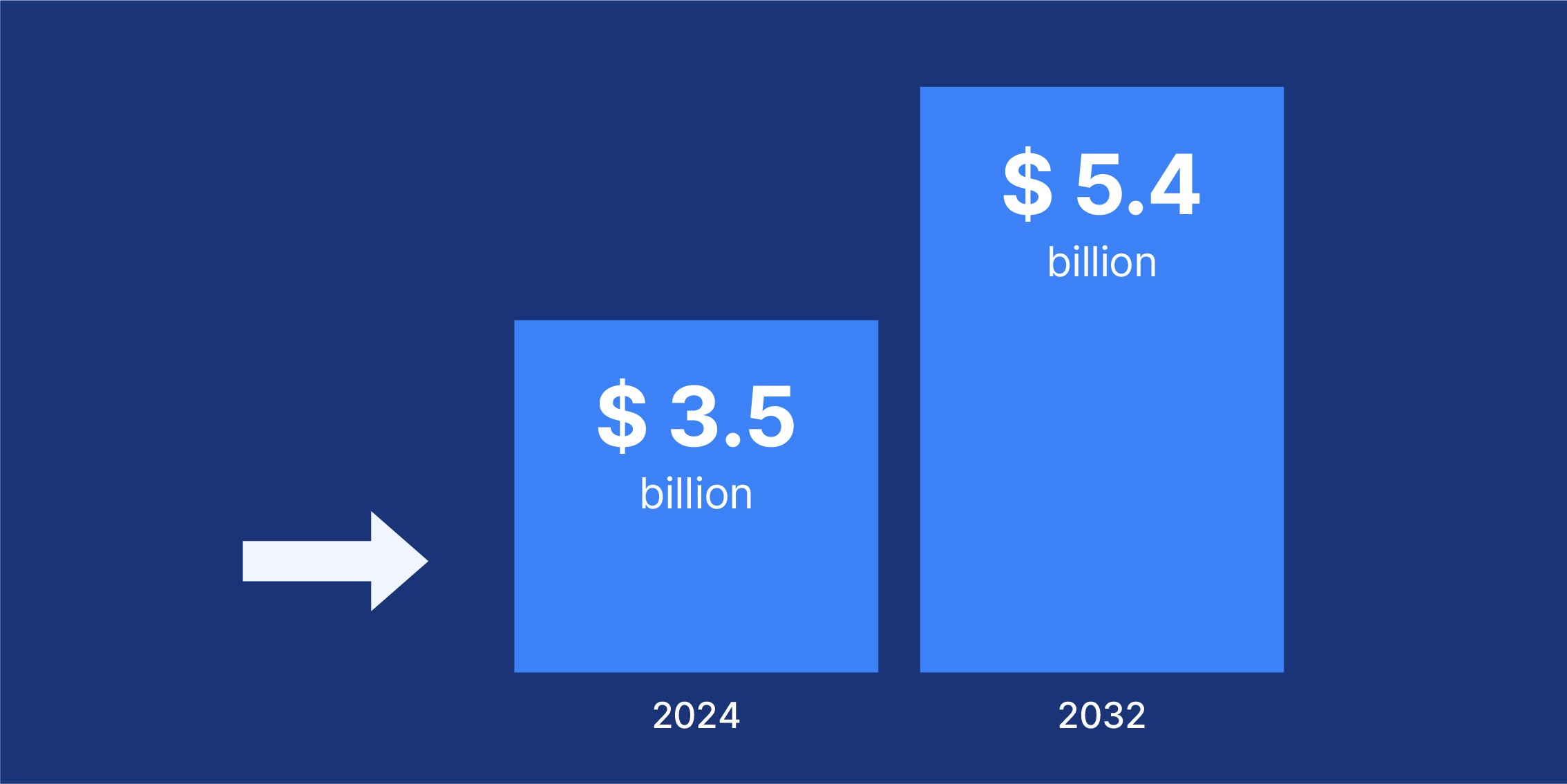
Did you know the the rebranding services industry was valued at $3.5 billion in 2024? And it’s projected to hit $5.4 billion by 2032!
As Millennials and members of Gen Z become the dominant consumer group, legacy brands are rushing to rejuvenate their image.
Today, let’s take a look at a few case studies of rebranding for the modern era. Even though both targeted younger consumers, brands Beksul and Dunkin’ thrived, while Innisfree and Tropicana stumbled.
Why did these brands face such drastically different outcomes?
Today, we’ll take a look at the true stories behind these iconic brands to uncover the rebranding secrets that really win over Gen Z and Millennial consumers.
Beksul’s Bold Makeover After 70 Years
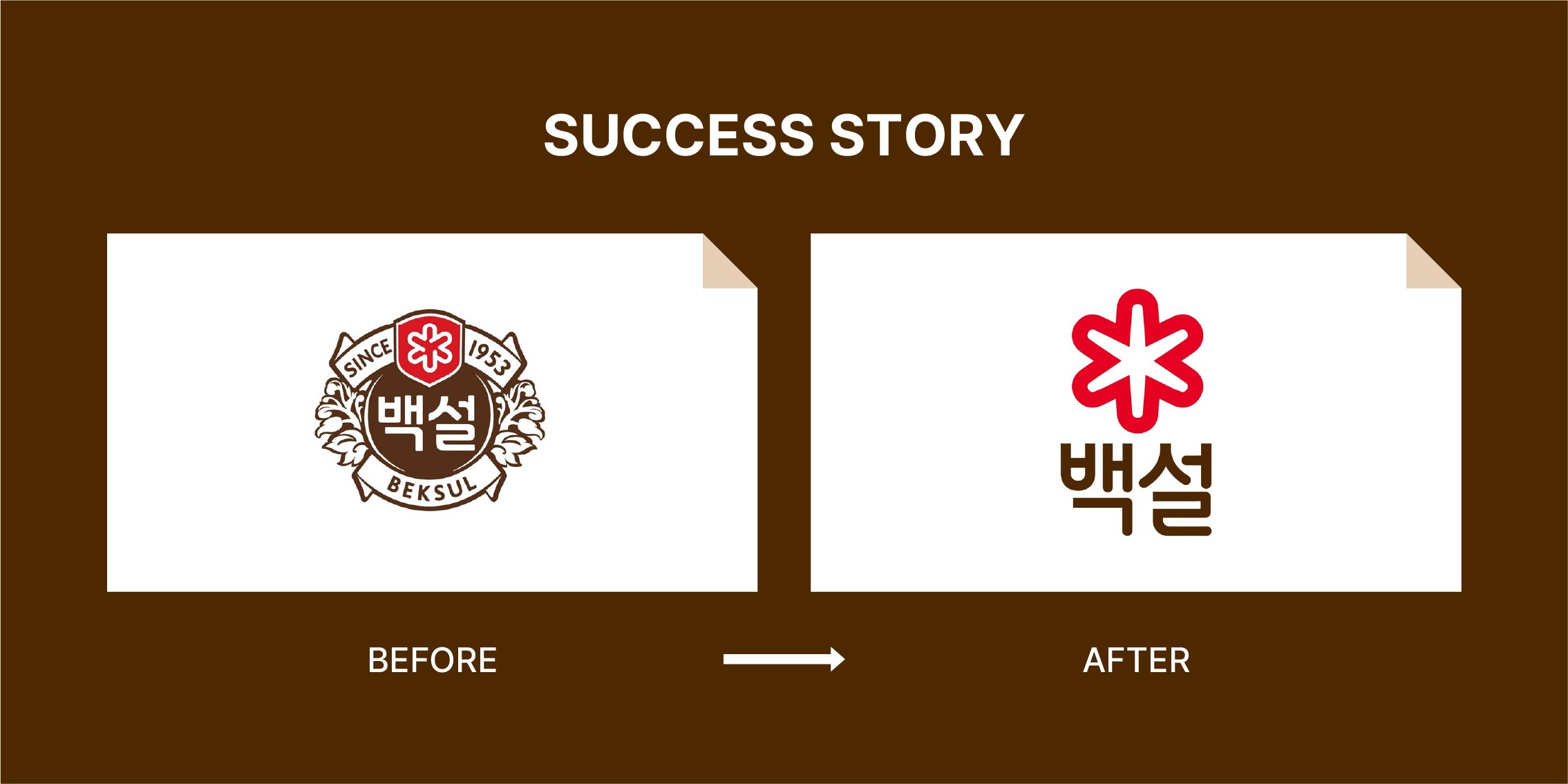
From Snowflake to Star: A Transformation 32 Years in the Making
Launched in 1953, the Korean flour and sugar company Beksul celebrated its 70th anniversary in 2023 with a dramatic rebranding campaign. After sticking to its iconic snowflake logo for 32 years, the brand boldly swapped for a star.
Their old snowflake logo was heavily associated with baked goods and sweets, and called desserts to mind. Their new star logo, however, symbolizes a new identity. It aims to represent “the guiding light of cooking,” like a star in the night sky. Beksul now intends to offer assistance to its customers in a wide array of cooking scenarios.
Core Strategy: “Today’s Cooking”
Beksul didn’t just change its logo. They also declared a new brand vision of: “Today’s Cooking.”
Key Moves:
They expanded their product range from just sugar & flour to sauces, dressings, and more.
They shifted their target demographic from primarily mothers to everyone, asserting that anyone can cook.
They revamped their primary message. Now, the claim is, “With one Beksul product, today’s cooking is done!”
So, why did Beksul go all-in on this brand image change? Due to the rise of single-person households, more Gen Z consumers are looking for quick, casual, and satisfying meals. In the modern era, cooking is no longer viewed as a chore. Now, it’s a hobby.
As a result, Beksul achieved ₩2 trillion in revenue (approx. $1.5B) in 2022. This is proof that a legacy brand can be fresh and relevant without being old-fashioned.
Another Success Story — Dunkin'
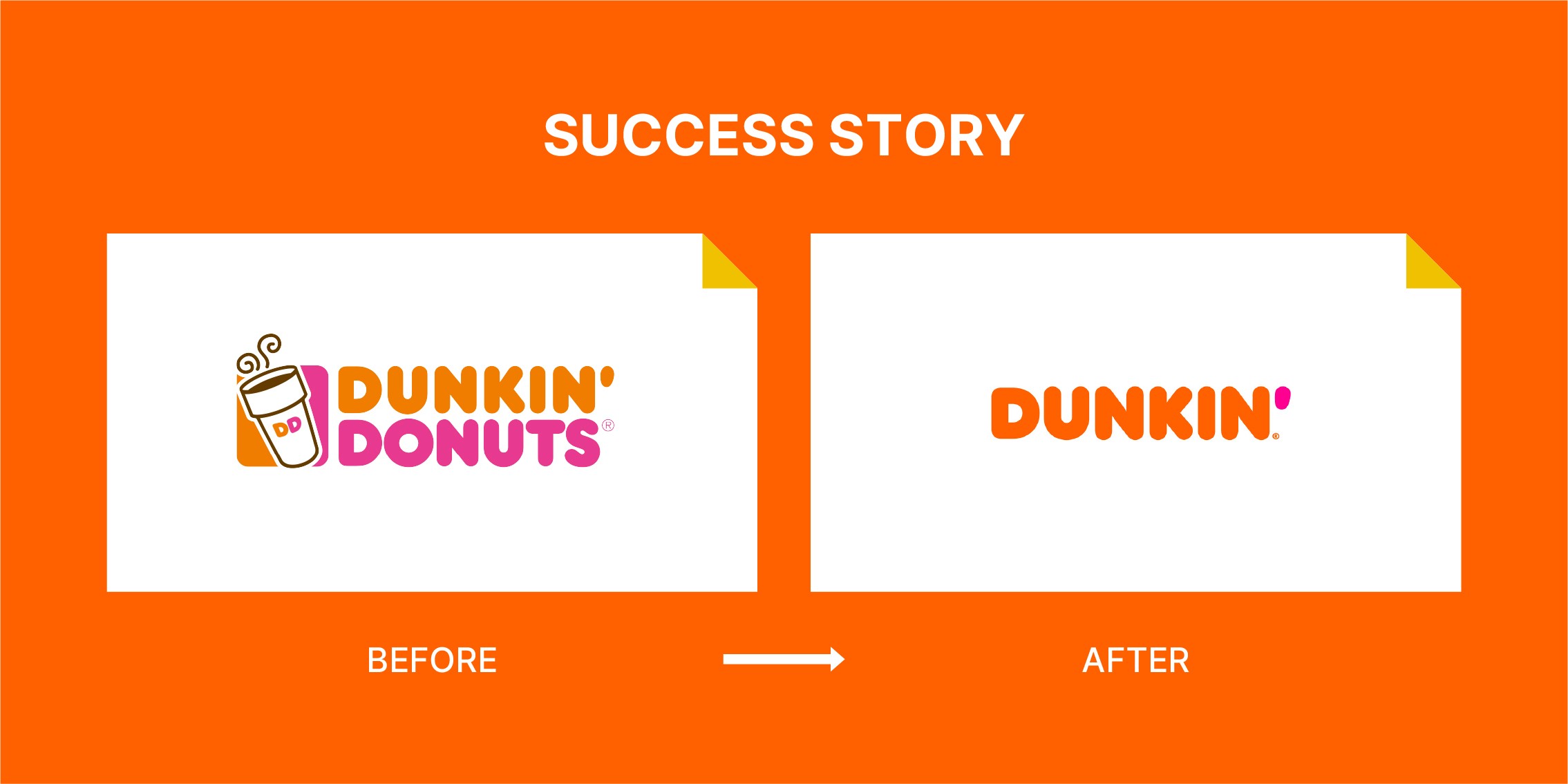
In another display of expanding it’s customer base rather than reducing or alienating it, the popular chain “Dunkin’ Donuts” made the bold choice to drop “Donuts” from it’s brand name for the first time since 1955, and to rebrand as simply “Dunkin’” in 2019.
The intended outcome was for the company to stop being so heavily associated with their donuts and to instead be considered for their other products as well, such as their beverages and breakfast sandwiches.
This risky move was made with Millennial and Gen Z customers in mind. Market research showed that younger generations are highly favoring grab-and-go coffee chains, and the beverage industry is booming among young consumers. From boba tea to dirty sodas, attempting to appeal to the increasingly large market for beverages was certainly a reasonable appeal to their young consumer base. Even other fast food chains like Taco Bell and McDonald’s have been soft-launching ventures into the cafe and beverage industries.
The results were immediate, leading to Dunkin’s highest quarterly comparable sales growth since 2013. The brand has continued to grow by appealing to its Gen Z customers through social media campaigns and collaborations with TikTok stars like Charlie D’Amelio.
To learn more about how a name change can be the key to increasing your business’s profits, check out this article.
Case Study: Innisfree’s Disappointing Overhaul
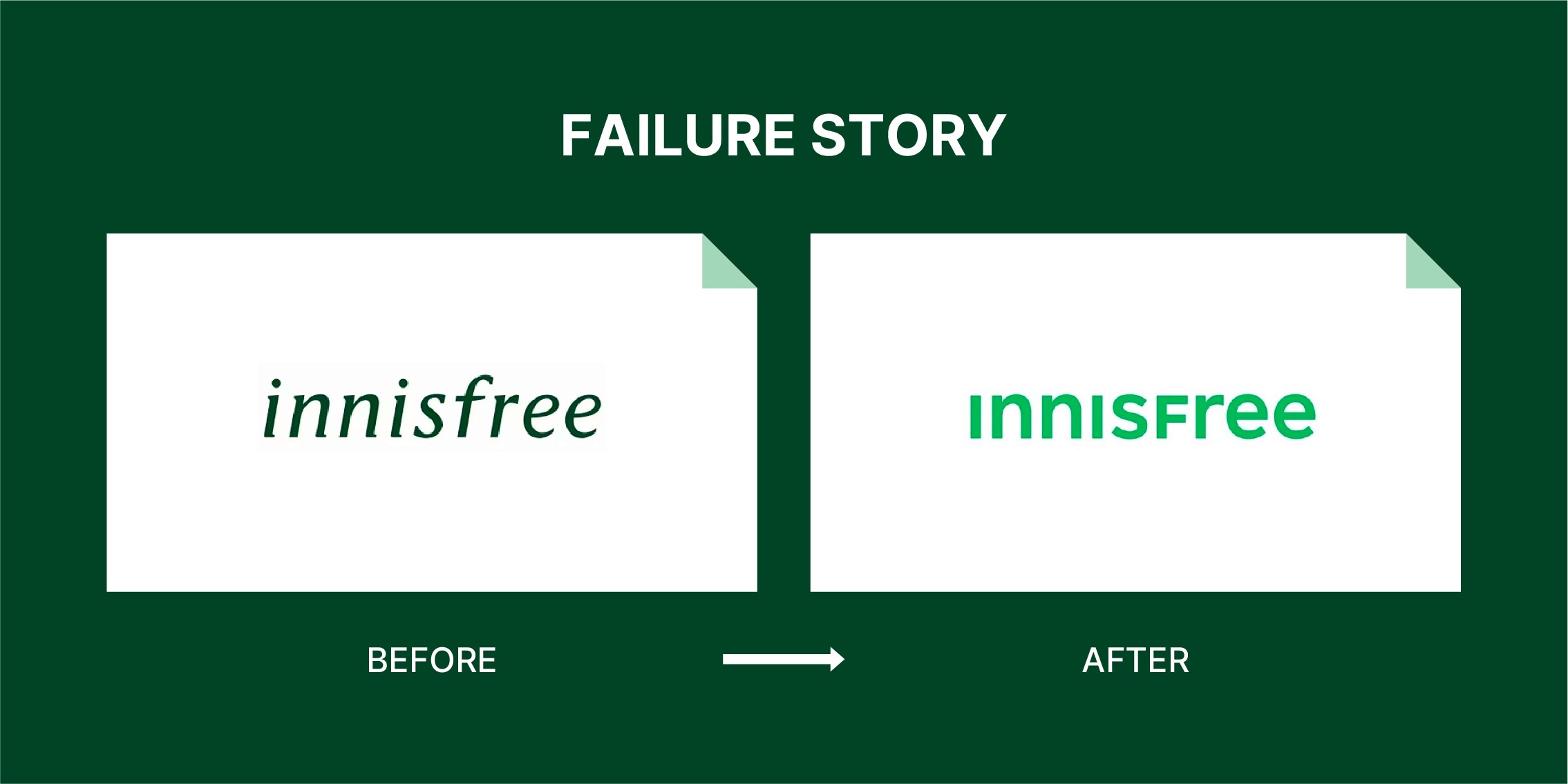
“Change Everything But the Name!”
Innisfree, a Korean skincare brand born in 2000, underwent its boldest rebrand ever in 2022.
They ditched their former niche, based in promoting skincare ingredients sourced from the real Jeju Island, and introduced a fictional island to their branding called, "THE NEW ISLE."
Other major changes included:
Completely overhauling their logo, color scheme, and packaging
Switching their brand models from people with “natural, everyday” appeal to K-pop stars
Transitioning from campaigns rooted in clean, natural ingredients to surreal, action-packed ads
So what was the outcome?
Sales dropped by 8.7% to ₩273.8 billion (approximately $200 million).
Operating profits plunged by 68.2% to ₩10.3 billion (approximately $9 million).
Meanwhile, their competitors saw revenue rebounds…
Industry feedback suggested that their excessive attempts at rebranding diluted Innisfree’s unique strengths.
Another Lesson Learned — Tropicana
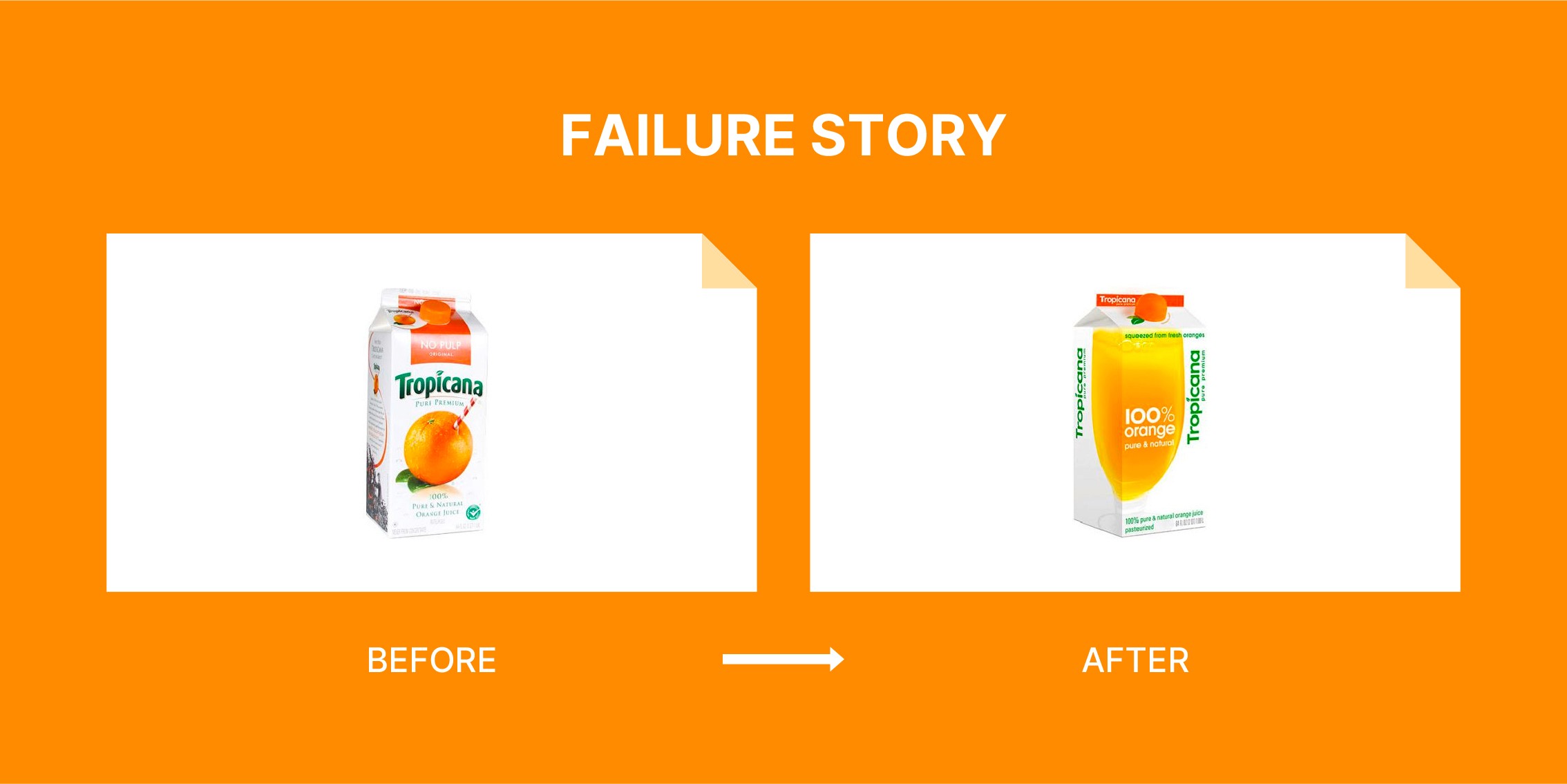
Tropicana is another example of a well-known brand that changed too much, too fast. They risked going from a beloved household name to a relic of the past before quickly realizing their mistake and reverting back to their old brand image.
In 2009, the brand released a new design for their packaging, completely eliminating their iconic image of an orange with a straw in it. They changed up their fonts for their logo and pivoted their brand focus, making “100% pure” the largest readable text on their juice cartons.
This sudden, drastic change to their packaging made the brand unrecognizable in stores, even to loyal consumers. Tropicana had deleted what was formerly their most iconic imagery—the orange with a straw. Fans of the brand were outraged and Tropicana saw an immediate drop in sales. Within less than two months of the new packaging launch, Tropicana announced that they would be returning to their original design.
For more examples of failed rebrands and what we can learn from them, check out this article.
Three Key Factors Behind Success vs. Failure
1) Honoring Brand Heritage
Beksul and Dunkin’: Embraced their legacies, but modernized their expressions
Snowflake → Star: Kept symbolic continuity while broadening context
Maintained consumer trust while adding a modern, stylish flair
Expanded on what had already drawn in a loyal customer base
Dunkin’ did the same thing. They shifted their focus to a wider array of products, but despite dropping “Donuts” from the name, loyal fans can still stop by any Dunkin’ location and pick up a chocolate frosted with sprinkles.
Innisfree and Tropicana: Virtually abandoned their identities
Lost long-time customer loyalty
Removed key imagery (e.g., green tea, tangerines) that sparked emotional connection
In an effort to appeal to Gen Z, Innisfree and Tropicana rejected the brand philosophies that drew in their original customer bases, instead of widening their scopes to include younger audiences
Tropicana also abandoned the branding images that used to make them recognizable to their customers. Without their iconic logo, the core message of their brand was lost and loyal customers were alienated.
2) Understanding Real Consumer Needs
Beksul and Dunkin’: Responded to actual lifestyle shifts
Addressed the rise in solo households with easy cooking solutions
Based their rebrand direction on concrete consumer research
Innisfree and Tropicana: Relied on assumptions about younger consumers
Gen Z may tend to like certain things about the rebrand, like popular K-Pop stars, but that didn’t mean Innisfree had to abandon its entire identity.
Tropicana also assumed that the words “100% Pure” would appeal more to younger generations, when that was clearly not the case.
3) Pacing & Intensity of Change
Beksul and Dunkin’: Implemented step-by-step innovation
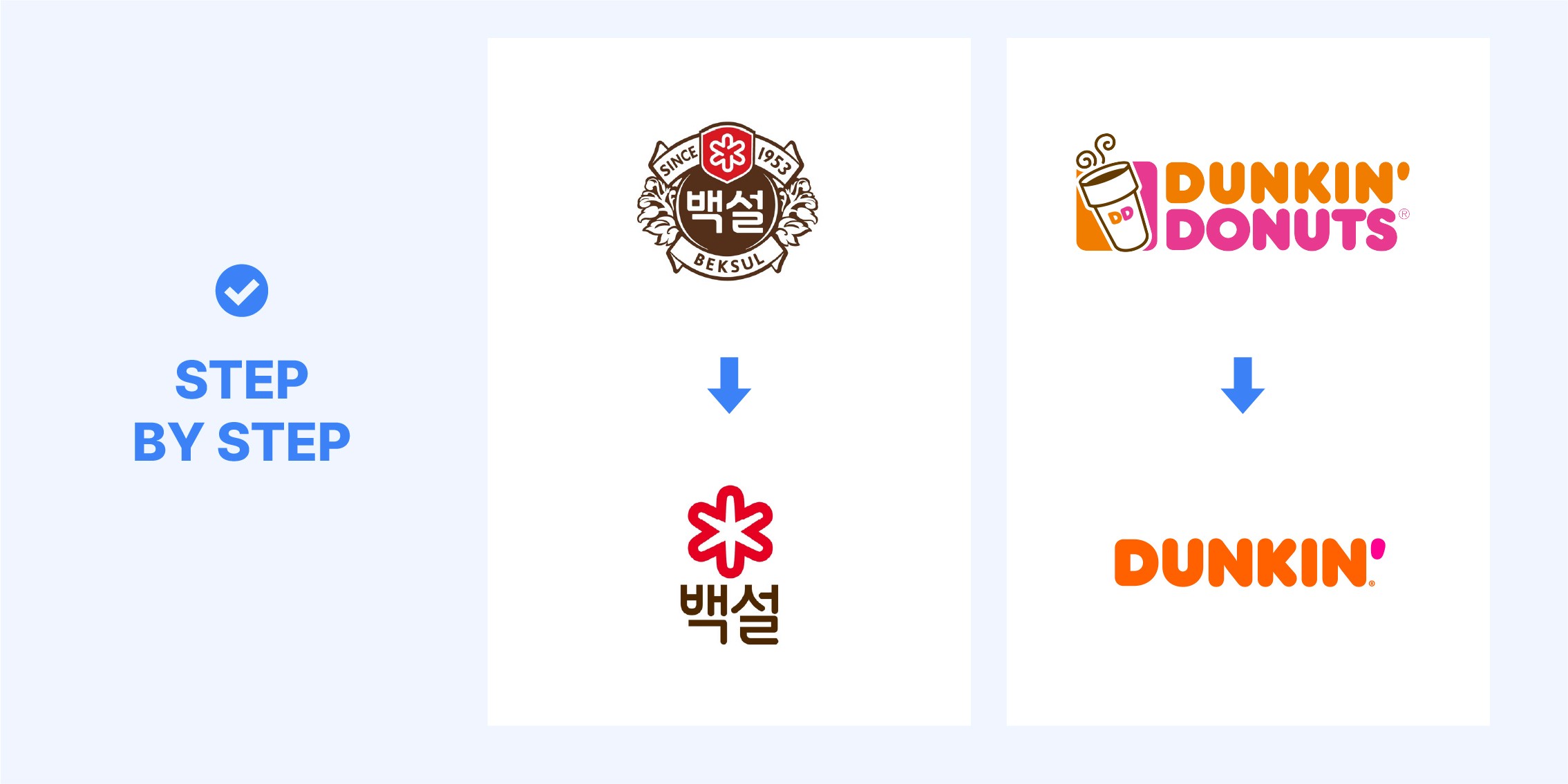
Beksul had previous experience introducing rebrands to its business, but they also made sure their new branding was not too dramatic of a departure from their former logo or brand mission
Again, their rebrand was simply an extension of what they had already come to be known for. It doesn’t require a great stretch of the imagination to see how a baked goods company could start selling other ingredients, in addition to flour and sugar.
Changing the name “Dunkin’” wasn’t accompanied by an entire menu overhaul. The company had been gradually introducing more product options to its menu over time, so by the time they officially made the name change, it felt like a natural progression for the brand.
Innisfree and Tropicana: Drastically changed too much, too fast
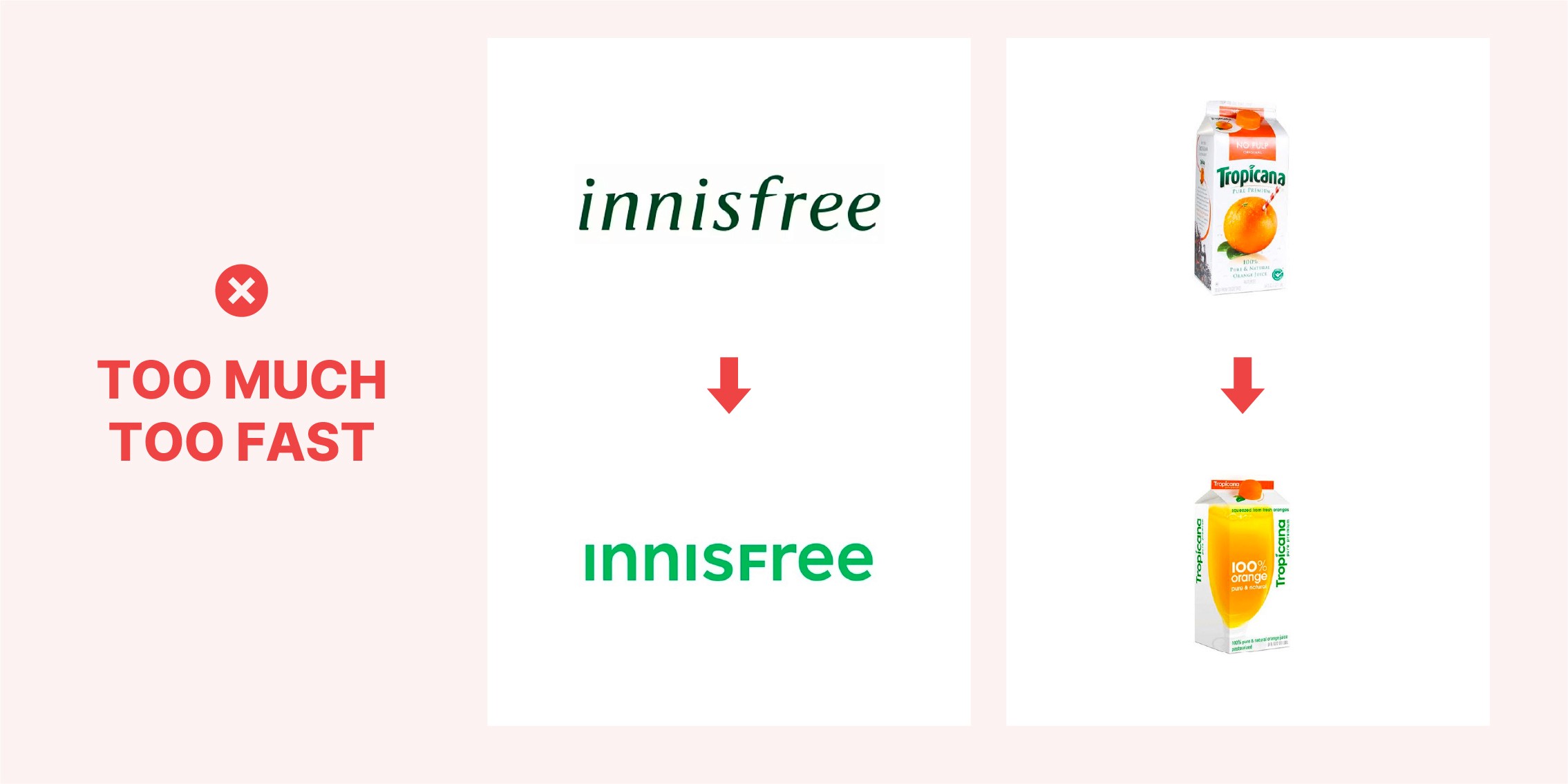
Innisfree severed its core association to Jeju island without allowing consumers time to adapt
Tropicana’s iconic packaging was deeply ingrained in consumers’ minds, and then suddenly erased.
Sudden and stark change gave consumers rebrand whiplash.
What Rebranding Elements Appeal to Millennials and Gen Z?
1) Value-Driven Consumption (Rooted in Meaning)
Millennials and members of Gen Z tend to consider a product’s true value over its price. They care about sustainability, fair trade, and social responsibility. They open their wallets for brands that align with their beliefs.
How to apply this knowledge: Be clear about your brand’s purpose, tell your story authentically, and demonstrate ways that your business practices align with your environmental, social, and political values.
2) Authenticity
Younger generations of consumers don’t need brands to be polished. Instead, they appreciate honesty and transparency. Studies have shown that members of Gen Z are actively searching for brands with unique identities that they can represent themselves with.
To apply this knowledge, share your realistic journey as a business owner on social media. Include your struggles and behind-the-scenes stories, instead of boasting about success. Listen to customer feedback and engage with your audience.
3) Fun & Engaging Experiences
Gen Z prefers content that tells a story, makes them feel something, and appeals to humor over sterile, corporatized content.
For example, the classic cookie brand Nutter Butter has been around since 1969, but in 2023, they launched what many older consumers would consider to be a truly bizarre form of advertising. The videos on their Instagram and TikTok accounts are filled with surreal, uncanny, and oftentimes unsettling images that are seemingly unrelated to the brand, along with eerie sound effects to target an “absurdist” market. The uniqueness of this content piqued people’s interests and also accurately appealed to Gen Z’s sense of humor. By managing to stand out from the crowd and truly capturing Internet users’ interest, Nutter Butter’s Instagram and TikTok accounts have over 1.8 million combined followers as of 2025, and Gen Z engagement with their product has increased 15% year over year since implementing this strategy.
Tip!
If you have access to any Millennial or Gen Z members on your staff or in your family, consult with them for guidance on what consumers their age find funny and engaging! Tastes can vary wildly based on the demographic.
Here’s an example of a company that nailed all three of the above points!
Liquid Death
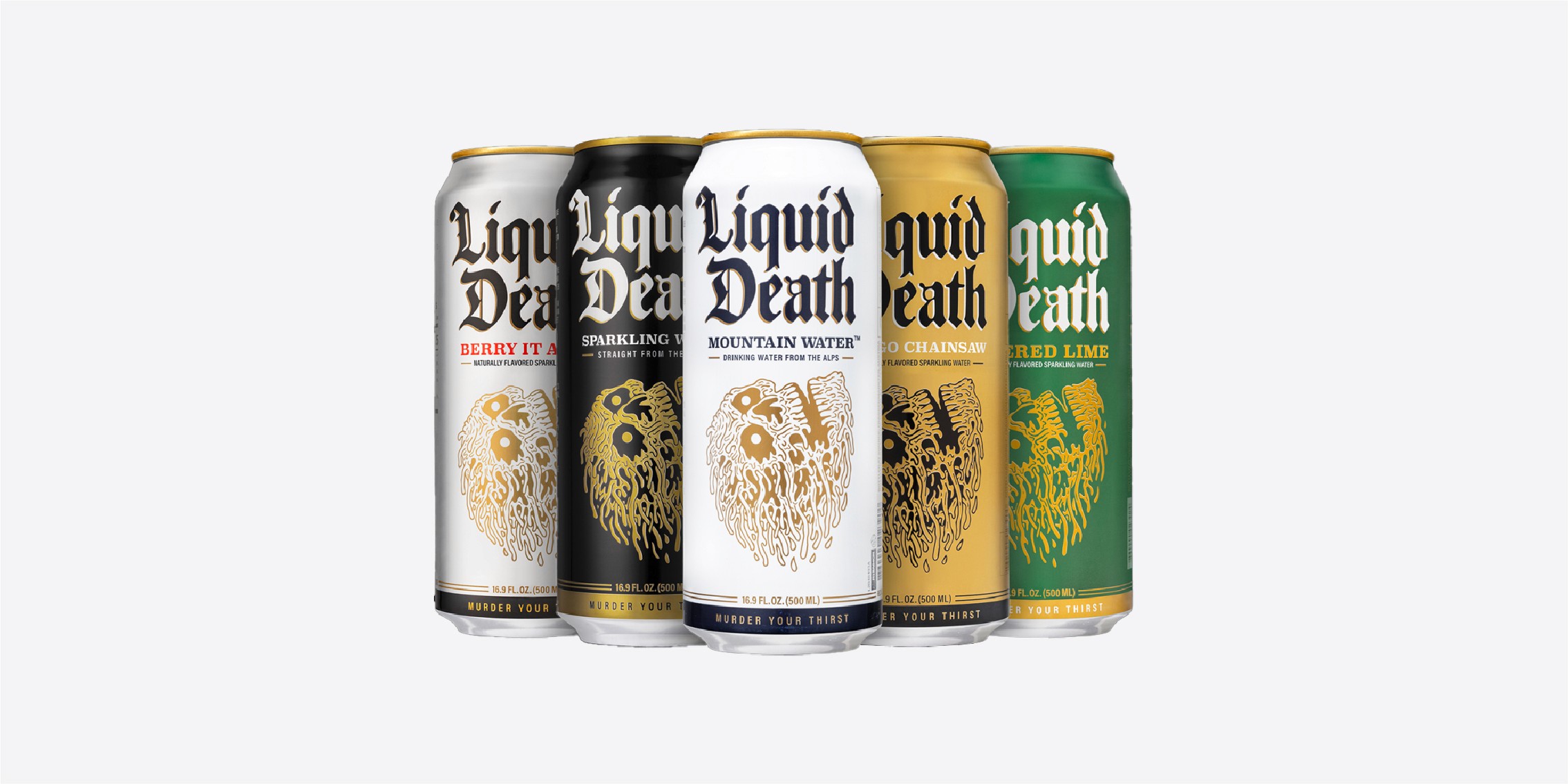
The founder of this canned water company, which—contrary to what its name might suggest—focuses primarily on sustainability, decided to target younger audiences with a humorous, self-aware marketing campaign positing water as extremely edgy and punk. The company’s refusal to take itself too seriously, despite its genuine and admirable sustainability efforts, has deeply resonated with Gen Z audiences and propelled the brand to a billion dollar company since its debut in 2018. Rooting itself in a respectable philosophy, using a tongue-in-cheek tone to maintain a sense of authenticity and relatability, and effectively appealing to humor in its marketing has turned Liquid Death into the ultimate example of branding and marketing successfully targeted at Millennials and Gen Z.
Real-World Rebranding Checklist for Small Business Owners

Step 1: Identify Your Core Heritage
Ask yourself, what are your business’s unchanging values? For example, if you're a 3rd-generation restaurant, your core value might be “handmade flavors from the heart.”
Step 2: Understand Millennial and Gen Z Consumers
Talk to real customers in their 20s and 30s
Monitor relevant keywords on social media
Step 3: Redefine Your Brand Message
“Our brand is ___________.”
Example: “Our café is a cozy hidden gem for Gen Z.”
Step 4: Start with Small Changes
Here are some easy ideas that you can implement right away and get you started!
Modernize your logo font
Create a small photo zone in your store
Use a casual and friendly tone on social media
Step 5: Plan Interactive Events
Rebrand Smarter with Tidy-B
Instagram hashtag challenges
Run contests for customers who post reviews
Periodically host campaigns to build a “fun” brand image
Feeling overwhelmed by the rebranding process?
Try Tidy-B, an AI-powered branding automation platform built for small businesses!
With Tidy-B, you can:
Discover your brand’s core values via strategy quests
Auto-generate logos, colors, and fonts with AI
Design everything from social media content to business cards
Manage all your brand assets in one place
With plans starting at just $10 a month, that’s less than the cost of a single designer’s daily commute!
Final Takeaway: The Golden Rule of Rebranding
What did we learn from these case studies? The ultimate lesson is that, when rebranding to keep your business modern, you should keep its essence. Just change how it’s expressed. If you preserve your core values while refreshing your look to fit the times, then you can both win over new customers from younger generations and keep loyal long-time fans.
When rebranding specifically with the younger generations in mind, be sure to remember that your goal is simply to expand your customer base, without alienating those in the older generations who have already come to love your product and what you stand for. If you’re considering a rebrand because you’re struggling to to develop an initial customer base, check out this article for some extra rebrand do’s and don’ts, and consider applying some AI-fueled professional help from Tidy-B.
Your Turn!
Have you considered rebranding for younger generations? What parts of the process seem the most challenging to you? Share your thoughts in the comments and let’s figure it out together!