Independent Brands Vs. Franchises
Oct 30, 2025

Small Businesses vs. Franchises: Where Does the Advantage Really Lie?
When people think of a franchise, they often think about big brands with established reputations and proven systems for success. While those are real advantages that franchises have, that doesn’t mean that small, independent businesses are at a permanent disadvantage. In many ways, small businesses can outmaneuver franchises if they understand how to leverage their strengths.
Some of the main advantages that small businesses typically have over franchisees include:
1. Flexibility and Speed
Small businesses can iterate, adapt, and respond much more quickly to market feedback. Want to try a new product line, shift your marketing message, or change the layout of your store or website? A small business can do it without navigating multiple levels of approval. Franchises often have rigid operational and branding rules, which slows down adaptation.
2. Local and Personal Connection
Small businesses are often part of the local fabric of their community. Customers tend to trust, support, and promote brands that feel familiar, relatable, and special to them. Small businesses can sometimes deliver more personalized experiences, tailored to local tastes, preferences, culture. That can be a differentiator over plug‐and‐play franchise units.
3. Authenticity and Unique Brand Story
Independent businesses often have founding stories, artisanal aspects, or local roots that are harder for franchises to replicate. This authenticity resonates with many consumers who are increasingly seeking “real,” “local,” “unique” over “corporate” or “homogenized.” It also allows small businesses to build differentiation not just on product or price, but on brand mission, values, and voice.
4. Lower Overhead and Innovation in Cost Structure
Small business owners may have more room to experiment with cost models, sourcing, partnerships, or digital-first channels. They are usually more nimble in adapting business practices to optimize margins in ways that franchise rules may prevent.
5. Opportunity to Own and Reinvent Brand Identity Fully
While franchises come with brand identity, fonts, visuals, and marketing templates already baked in, and are restricted against changing them, small businesses have full control over those same aspects. This means you can craft your brand identity from scratch in a way that is optimized for your target audience, your personality, and your market.
Consistent Branding is a Key Weapon for Small Businesses
Consistent, professional-grade branding is one of the most powerful tools that small business owners can utilize in the fight against franchises. One of the greatest advantages that franchises have over independent businesses is an image of reliability, created by consistent visuals and branding across locations and platforms.
However, you too can foster that level of trust with your audience and come across as an established, reliable brand to new consumers. And in the emerging age of AI, you can achieve this at little to no cost.
Brands that present more consistently are also much more recognizable, which means there’s lower friction in customer decision-making. Customers are less likely to be confused, quicker to trust your brand, and more likely to become repeat buyers.
Strategies and Advice: How Small Businesses Can Beat Franchisees
Given the advantages that small businesses have, along with the importance of branding and consistency, here are practical strategies that small business owners can use to outcompete franchisees in their markets.
Define and Lock Down Your Brand Identity
Decide clearly on your brand’s vision, values, personality: who you are, what you stand for, what kind of experience you want customers to have. Then build out a brand identity guide that includes:
Logo(s) and usage rules
Color palette
Typography (primary + secondary fonts, font weights, size rules, spacing)
Tone of voice / messaging style
Image / photography style
Applications: social media, website, signage, packaging, uniforms, etc.
Once you have this, use it everywhere.
The consistency will compound.
Make smart font choices that reinforce your brand personality and improve legibility.
Font is especially powerful because it’s everywhere: your signage, website, menus, pamphlets, packaging, invoices, social media graphics.
Choose primary fonts that align with your brand’s personality (serif for tradition / elegance; humanist or clean sans‑serif for modern, friendly; script or hand‑drawn for artisanal or playful; etc.).
Make sure fonts are legible across sizes and mediums (online, print, signage). Thin, decorative fonts may look pretty but often fail in small size or low‑resolution.
Don’t pick too many fonts. Usually 1 primary, 1 secondary (for contrast), maybe an accent. Too many = chaotic, inconsistent.
Use font weights/styles consistently (bold headings, lighter body, etc.).
Use Local and Personal Touch to Differentiate Yourself
Since franchises often follow a “one‑size‑fits‑all” model, small businesses can win by pinpointing local relevance. This can be in the words, pictures, font choices (maybe using local language and scripts), design elements that signify local culture, using seasonal references, etc. These can build strong emotional connections.
For example, a café that uses a font inspired by local calligraphy, or structured signage that nods to local architectural features, can feel more “native” than a generic franchise store.
Deliver Consistency Across All Touchpoints
Branding isn’t just based on a logo and signage. Every customer touchpoint matters, including…
Website and mobile experience
Social media graphics, captions, stories
Packaging, labels, bags, uniforms, signage
Email communications, receipts, invoices, business cards
Physical interior décor, lighting, packaging feel
Even small inconsistencies, from inconsistent fonts, to mis‑aligned logos, to mixed color palettes, erode trust, confuse customers, and reduce recognizability. Over time, those leaks cost you. As the data shows, inconsistent branding can lead to up to 20–33% lower revenue compared to consistent efforts.
Test, Iterate, and Monitor Brand Performance
Collect feedback from customers: how do they perceive your brand visually? What words do they use? What associations do they have?
Monitor metrics: conversion rates, repeat business, referral rates, brand awareness (e.g. surveys), recognition. If you change something (font + other visuals), measure the values from before and after in order to assess the change’s effectiveness.
Don’t be afraid to adjust, but do so in a way that preserves your brand’s core identity. Rebranding or tweaking should be done thoughtfully, not randomly to chase trends.
Leverage Your Story and Values as Part of the Brand Experience
Since small businesses can own their story, mission, and values more deeply and communicate them more personally, use that to your advantage. This helps you stand out from your competitors. Customers choose to support a business that is local, ethical, and/or unique. Then, your visual style (fonts, colors, imagery) should echo and reinforce those values.
Practical Examples: How Small Businesses Have Utilized Branding
A boutique fashion/e‑commerce brand that standardized and upgraded its fonts across website, packaging and social media saw 27% increase in conversions after redesign. The redesign included choosing fonts that felt more premium, more legible, consistent, with higher contrast.
A typography update in book publishing (the literary thriller example) yielded 41% sales increase following a more legible font/design in small sizes.
Even if you don’t have a big budget, you can often get a big return by focusing on design consistency within your branding. This includes updating your signage with clear, industry-relevant fonts, standardizing the templates you use on social media, ensuring your website uses the same typeface and font hierarchy throughout, and maintaining consistent colors, spacing, and layout.
Franchise Weaknesses You Can Exploit
While franchises bring the advantages of reputation, system, bulk procurement etc., they have certain limitations:
Slow to adapt locally: Franchise rules can restrict local marketing or local flavor. Small businesses can tailor more to local preferences.
Uniformity can feel impersonal: Many customers are fatigued by big‑chain sameness. The uniqueness and authenticity of small businesses can feel more desirable.
Cost structure is often heavier: Royalty fees, mandated supplies, standardized decor can impose fixed costs that eat into flexibility. Small businesses (especially digital or lean ones) can optimize more.
Over‑dependence on corporate policies: If the central franchisor makes a bad decision (font change, color, pricing, supplier), all franchisees suffer—even if the local market disapproves. Small business owners have full control and can pivot.
Concrete Steps for Small Business Owners: How to Outperform Franchises
Brand Audit
Take stock: list all your brand touchpoints (signage, packaging, website, emails, social media, invoices, business cards, etc.). Check where fonts, colors, logos, imagery differ. Compare against what you ideally want. Identify mismatches. [for more tips on conducting a brand audit, see this article]
Create or Refine Brand Guidelines
Make a simple brand manual: primary and secondary fonts (including weights, sizes), color palette (primary and accent), logo usage, tone of voice, imagery style. Even a one or two page guide can help. If possible, enforce your brand guidelines through templates, staff training, and requiring design approvals from employees.
Make Font Choices with Care
Pick fonts that reflect your brand’s personality (elegant, playful, friendly, modern, trustworthy).
Ensure readability at all sizes and across media (print, web, signage).
Use web‑friendly fonts. Make sure licensing is properly done.
Limit the number of fonts to avoid confusing visual noise.
Design for Local Relevance and Differentiation
Use fonts, imagery, messaging that reflect your culture or local market when appropriate. This helps customers feel “this is ours.” Even color, signage, packaging can evoke local identity.
Maintain Consistency across All Channels
Use your brand guidelines to ensure every social media post, pack‑label, website page, flyer uses the same fonts, colors, tone. Small inconsistency chips away at trust.
Test and Measure
When you change something (font, layout, messaging), measure before and after: website bounce rate, click‑through, conversions, foot traffic, repeat purchases, customer feedback. Use A/B tests where possible (e.g. two versions of a flyer, email, or signage).
Tell Your Story and Leverage Values
Use your narrative to amplify your brand. If you are local, artisanal, sustainable, or ethical, you should use that in your visuals, on packaging, and in signage. Fonts can help here: e.g. a script or hand‑lettered font can evoke craft; a clean san‑serif can feel modern and efficient; a slab serif can feel strong or chunky etc. The font choice should reinforce what you stand for.
Create a Brand in Five Minutes with Tidy-B
So, how can you effectively ride these trends as an independent brand owner? Try Tidy-B’s AI Branding Platform!
Why Tidy-B?
Traditional Branding | Tidy-B |
|---|---|
Time: 3–6 months | 2–4 weeks |
Cost: $10,000–$50,000 | $10—$50 |
Limited amount of edits and requires time to apply them | Unlimited edits and instant responses |
Results: 80–95% cost savings, 300–500% faster
What You Get in Just 5 Minutes
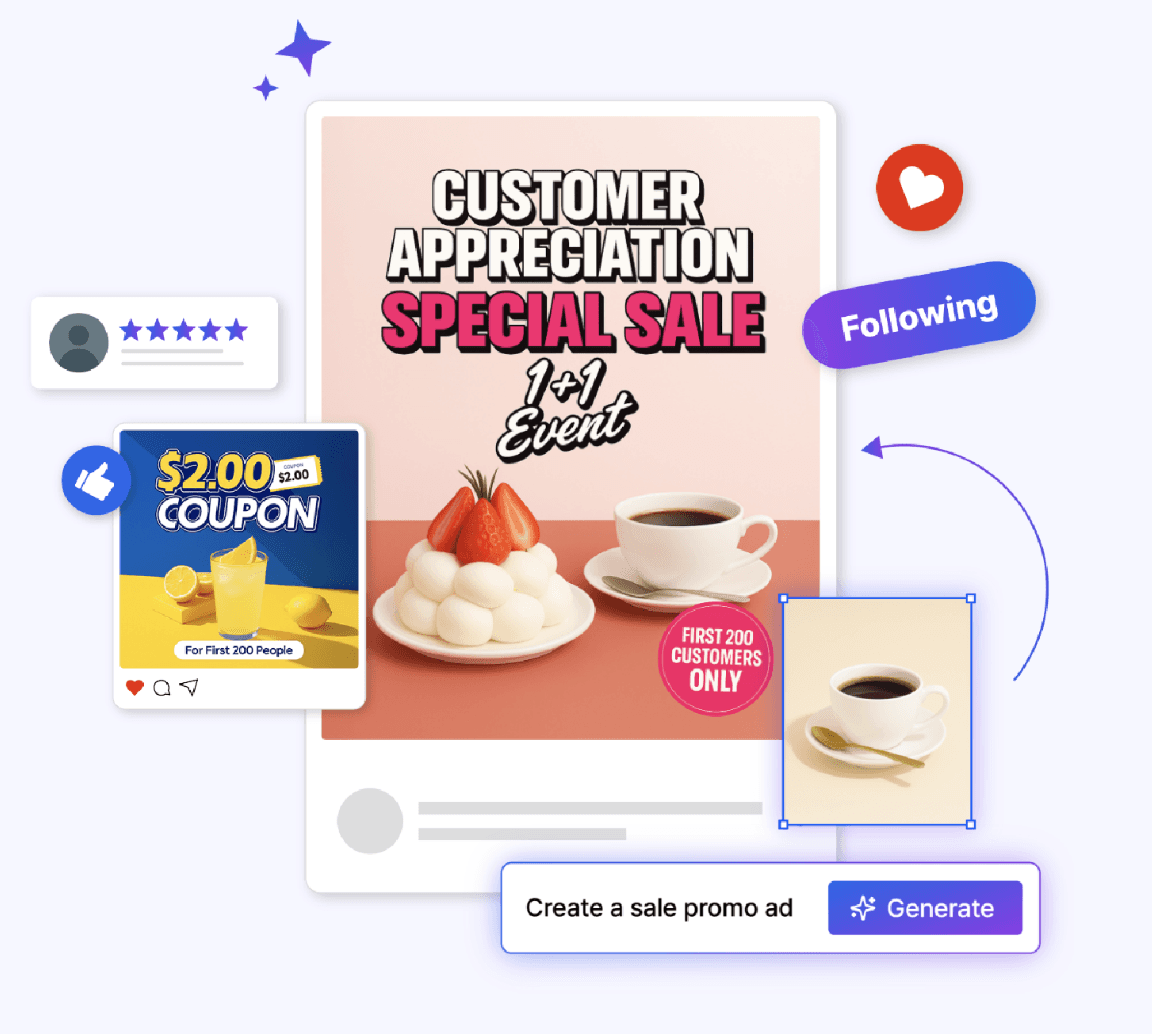
After answering a few simple questions (brand personality, target customers, etc.), Tidy-B’s AI tool will automatically generate…
Your mission, vision, and values
A custom logo, color scheme, and fonts
Templates for business cards, posters, and social media posts
All assets are saved in the cloud and available anytime, anywhere. All this is available for just $10 a month. That’s even cheaper than a full-time designer’s daily commute!
Why This Matters (Especially in 2025)
The marketplace is more crowded and more digital than ever. First impressions often happen online in thumbnails or on mobile. If your brand visuals or fonts are inconsistent or unclear, you lose before you’re even properly seen.
Today's consumers are more discerning. They expect professionalism, clarity, and authenticity. They reward brands they trust. And consistency builds trust.
Franchises have scale and reputation, but many small business owners under‑invest in branding or do it inconsistently. That gap is your opportunity.
If you do the hard work of defining who you are, locking in your brand identity, maintaining consistency in visuals, message, and every touchpoint, including font, and monitoring performance, you can often outperform franchisees in your locale. You may not have the national name recognition, but locally you can build a stronger, more trusted reputation, better customer loyalty, and get sales growth that maybe even outstrips what a franchisee’s rigid model allows.